
How an 11-Year-Old Jumpstarted a $15M Septic Upgrade to Save a Polluted River
The day she stood on the riverbank and saw the water froth like a shaken soda, 11-year-old Maya (name changed for privacy) didn't yet know the vocabulary of nutrient cycles, failing septic systems, or total maximum daily loads. What she knew was simple and urgent: the river behind her school was sick. That observation — made during a family fishing trip — became the spark for a community campaign that propelled local officials, engineers and funders into a $15 million plan to replace decades-old septic systems and reduce pollution flowing into the watershed.

11-year-old environmental activist
A Young Observer Becomes an Organizing Force
It is tempting to frame this story as a David-versus-Goliath tale: one child confronting institutional apathy. The reality is more nuanced. Maya's curiosity collided with a pattern of chronic underinvestment. She began by asking questions: Why does the river smell after rain? Why are frogs disappearing? Who is responsible for the dark green mats of algae that show up every summer?
Her parents, teachers and a local science teacher helped her run simple tests using store-bought kits and smartphone photos. She recorded observations in a notebook, presented at a school assembly, and gathered signatures on a petition. The petition targeted two practical outcomes: a comprehensive assessment of failing septic systems in the watershed and municipal consideration of a funded upgrade program. Those modest, concrete asks made it easy for neighbors — many longtime residents concerned about property values and public health — to join.
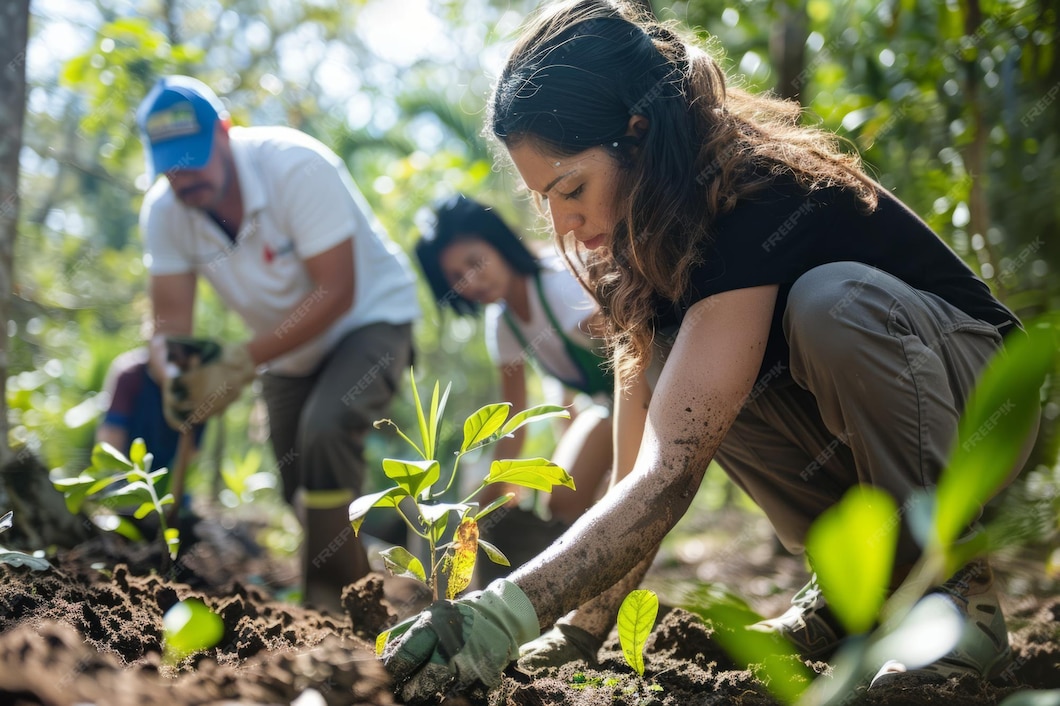
community-led environmental project
"When kids notice, adults should act — the river was giving us a signal we had been ignoring."
Why Septic Systems Matter: The Science Behind the Problem
Septic systems are the invisible infrastructure supporting millions of homes outside centralized sewer networks. In properly functioning systems, solids settle and liquids percolate into a drainfield where soil microorganisms further process contaminants. But age, poor maintenance, and unsuitable soils can degrade performance. The result is untreated or partially treated wastewater seeping into groundwater and nearby streams.
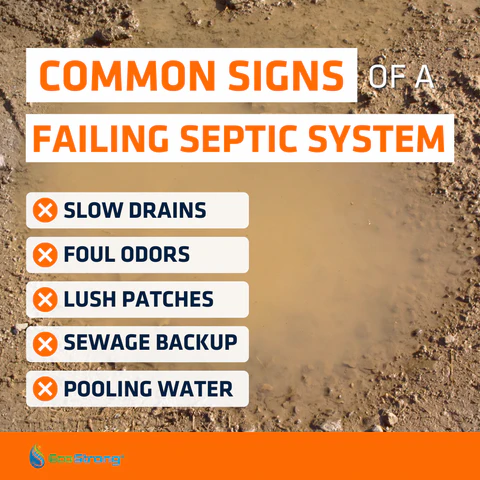
failing septic systems
The primary pollutants of concern here were nitrogen and fecal bacteria. Excess nitrogen acts as a fertilizer, fueling algal blooms that create oxygen-poor dead zones when they decompose. Fecal bacteria indicate the presence of pathogens and pose direct public-health risks for swimmers and those using river water recreationally. Because the watershed contains many homes with aging, single-family septic systems installed decades ago — when standards were different — the cumulative load tipped the river into chronic impairment.
The $15 Million Plan: What It Covers
The proposed upgrade is not a single technology but a layered approach tailored to the watershed's geography, hydrology and community preferences. The program budget — roughly $15 million — was divided into several components:
- Comprehensive assessment and mapping: Surveying every parcel in the watershed to identify failing systems, risk factors (shallow bedrock, high water tables), and priority zones.
- Installation of advanced onsite wastewater treatment systems (AOWTS): Replacing the worst-performing septic tanks with units capable of significant nitrogen and pathogen removal — moving beyond conventional tanks to multi-stage treatment.
- Clustered treatment nodes: In denser parts of the watershed, small shared treatment systems and community drainfields provide economies of scale without requiring full sewer expansion.
- Operation and maintenance fund: Financing for long-term inspections, pump-outs and technical support to avoid the typical decline of systems after installation.
- Monitoring and citizen science: Ongoing water-quality monitoring and public reporting to track outcomes and keep the community engaged.
Engineers estimate that with high-performance systems and targeted installations in hotspots, nitrogen loads could fall by 40–70 percent in five years — enough to reduce summer algal blooms, improve dissolved oxygen levels and lower concentrations of fecal indicators to safer levels for recreation.
Why Advanced Septic Systems?
Modern onsite systems are not your grandfather's septic tank. Advanced systems incorporate aerobic treatment, biofilters, sand filters, or constructed wetlands to emulate processes at centralized plants. Some use staged reactors that reduce nitrogen biologically; others add phosphorus binding media. Their capital costs are higher than a conventional tank, but their performance and long-term value are vastly superior in sensitive watersheds.
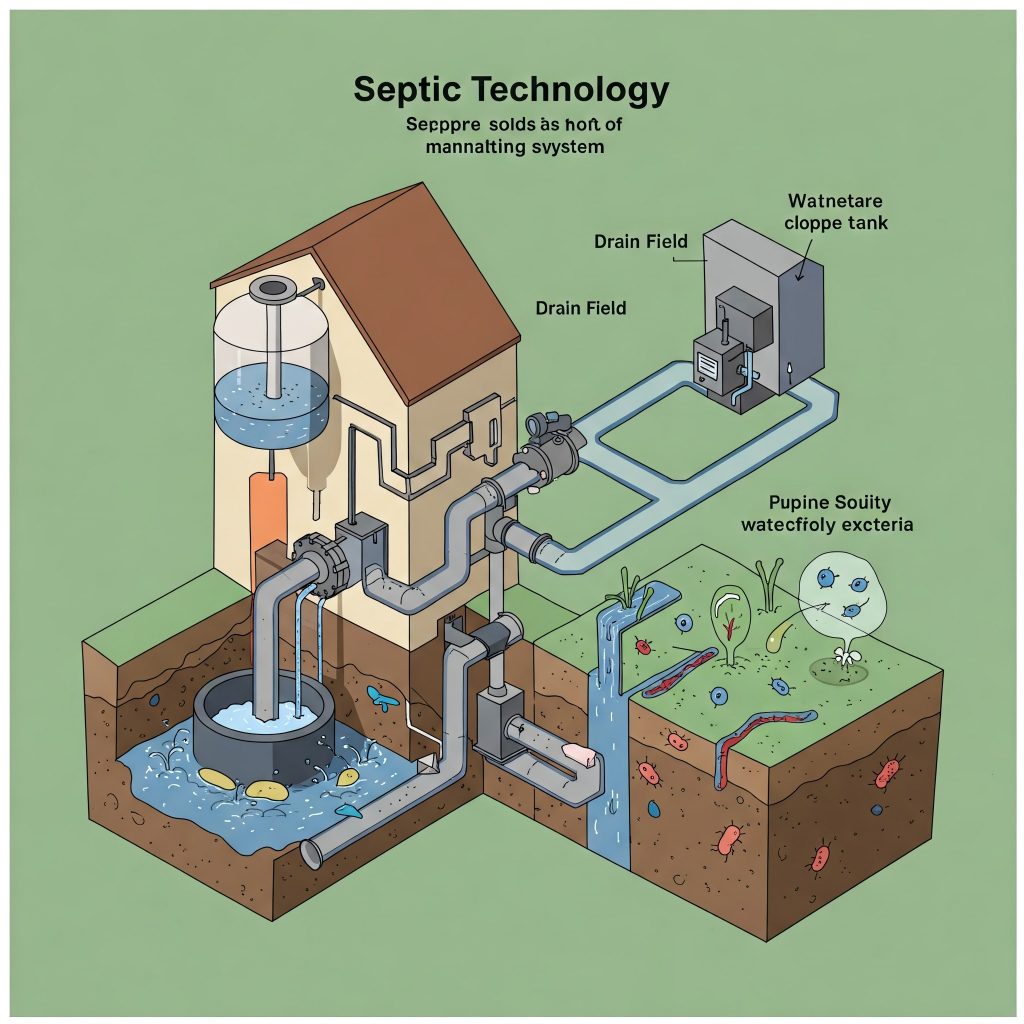
advanced septic technology
Importantly, the plan blends individual household upgrades with small community systems. Where homes are clustered on small lots, a shared system can treat waste more efficiently and keep costs per household competitive. For scattered homes, high-performance individual units are the most practical solution.
Funding the Upgrade: An Unusual Mix
$15 million is not pocket change. The funding strategy combined local municipal funds, state revolving loan funds, targeted grants, and a community match fund seeded by philanthropic donations. A few key design principles made the proposal feasible:
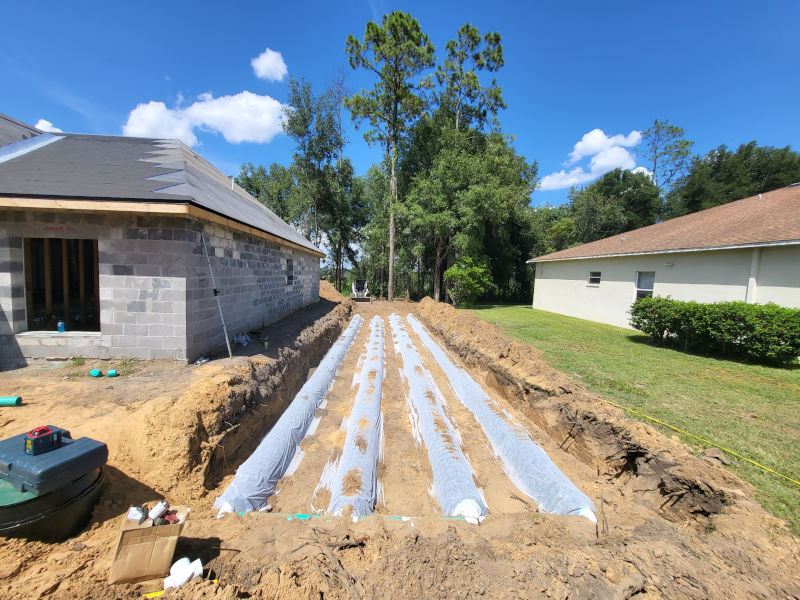
septic upgrade funding
- Means-tested assistance: Low- and fixed-income households are eligible for full grants or low-interest loans to avoid displacing vulnerable residents.
- Performance-based reimbursements: Homeowners received higher subsidies when they agreed to long-term maintenance contracts that guarantee periodic inspections and reporting.
- Phased deployment: Prioritizing hotspots first allowed early wins to justify subsequent funding tranches.
The fiscal case stressed that upfront investment averts long-term costs: property-value losses, public-health incidents, emergency cleanups, and potential regulatory fines if the waterway continued to fail to meet state standards.
Community Dynamics: Opposition and Support
Any large public works project affects neighbors differently. Some residents welcomed the project as protection for drinking water wells and local fisheries. Others balked at the perceived intrusion and potential costs. A core challenge for organizers was translating scientific metrics into everyday impacts people care about: safe bathing beaches, healthy fish populations, and resilient property values.
Town meetings were sometimes tense. Organizers responded with transparent Q&A sessions, demonstrations of how advanced systems operate, and site visits to nearby towns where similar projects had succeeded. Maya — now a local figure — presented her river notebook at a public hearing, a move many attendees found disarming and galvanizing.
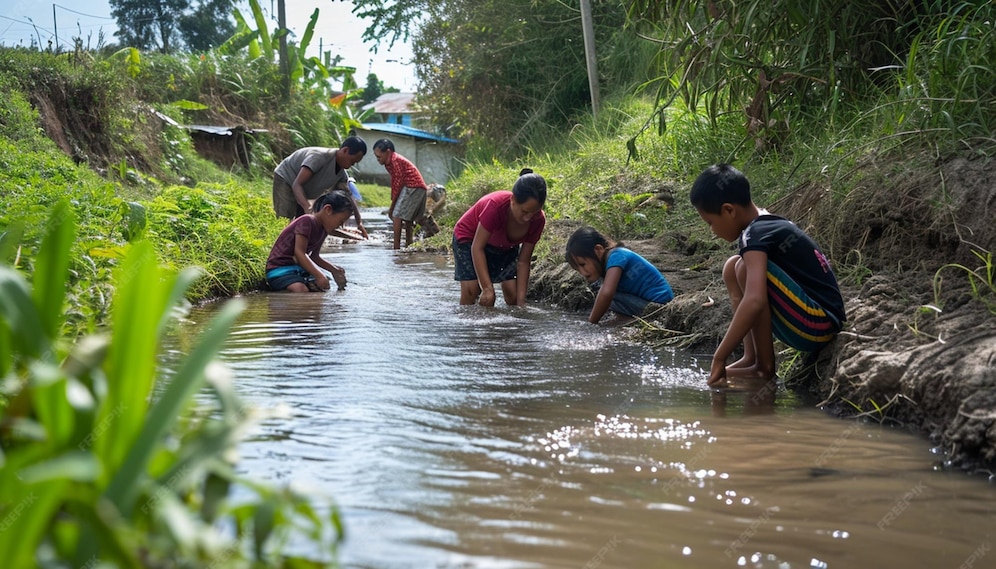
youth-led river restoration
Measuring Success: Monitoring and Accountability
To ensure the investment delivers, the program embedded rigorous monitoring. That meant baseline sampling, paired upstream/downstream stations, seasonal checks for dissolved oxygen and chlorophyll, and targeted pathogen assays during recreational seasons. Results are scheduled to be published in an accessible portal with simple indicators: improvement, stable, or worsening.
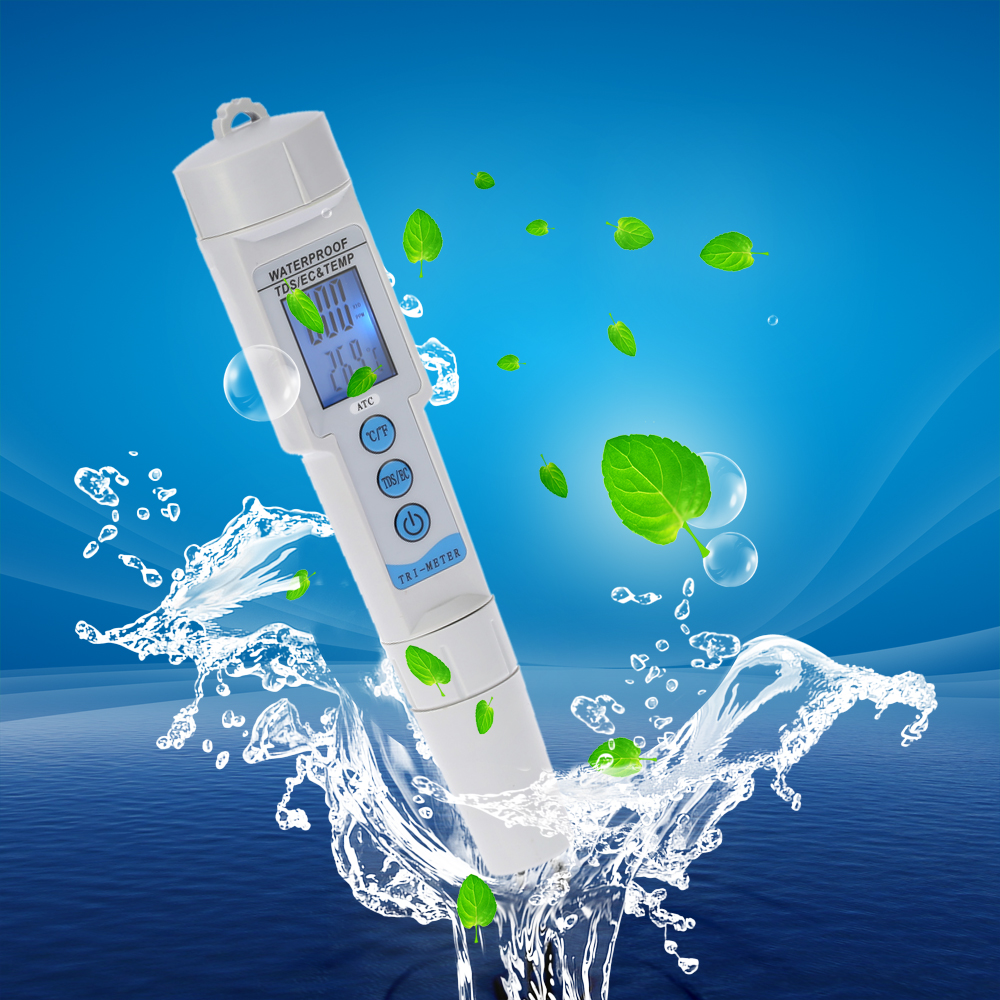
water quality monitoring
Installed systems carry serial numbers and maintenance schedules. A publicly funded maintenance team — rather than leaving service to the lowest-bidder private sector — provides a standardized level of care, reduces failure rates, and preserves system warranties. Homeowners gain peace of mind and the community gains reproducible performance data.
Environmental and Public-Health Benefits
Lower nitrogen and pathogen loads translate into clear benefits. Ecologically, improved water clarity and lower nutrient input reduce the frequency and intensity of harmful algal blooms. That benefits aquatic plants and invertebrates and, in turn, fish and birds. For people, the benefits are both direct and economic: safer swimming and fishing, fewer beach advisories, and a revived sense of place.
On the public-health front, fewer fecal indicators reduce the risk of gastrointestinal illness after recreational contact with water — a meaningful benefit for children and older adults. The program therefore framed the upgrade as both environmental restoration and a health intervention.
Challenges, Trade-offs and Long-Term Sustainability
No solution is without trade-offs. Advanced systems require higher upfront costs and disciplined maintenance. They may be less appealing where residents expect low-cost fixes. Some environmental advocates argued the project didn't go far enough — that the watershed ultimately needs a centralized sewer to fully eliminate diffuse sources. Engineers countered that a full sewer would cost several times more and be disruptive to established homes.
Maintenance compliance is the program's Achilles' heel. The project addressed this through binding maintenance contracts, an inspection regime, and community education. Still, long-term sustainability hinges on funding for the maintenance fund and political will to enforce standards.
Why This Story Matters Beyond One River
The watershed's situation is not unique. Across many parts of the country, aging onsite systems, increased seasonal rainfall, and expanded development place pressure on small streams and rivers. This case offers replicable lessons:
- Early detection and community reporting matter: Simple observation and basic testing can trigger large-scale change.
- Distributed solutions can be cost-effective: Advanced onsite systems and clustered nodes may outperform full sewers in cost-per-household terms for low-density areas.
- Funding design influences outcomes: Means-tested assistance and performance incentives align homeowner behavior with public goals.
- Monitoring ensures accountability: Transparent data reporting keeps stakeholders engaged and demonstrates results.
Scaling and Policy Implications
Policymakers can take several cues from this project. State revolving funds and federal programs that historically prioritized centralized wastewater projects should consider set-asides for decentralized upgrades in sensitive watersheds. Model legislation can clarify maintenance responsibilities, streamline permitting for advanced systems, and create technical assistance hubs to lower costs for smaller municipalities.
These policy shifts don't require reinventing the wheel; they require rebalancing incentives to recognize that decentralized, well-maintained systems can be a high-return climate- and water-quality adaptation strategy in many regions.
Voices from the River: Residents Reflect
At a spring cleanup, a neighbor who'd fished the river for 40 years said the difference between talk and action was what mattered. "We could watch the meetings for years and get nothing. This time, the money, the plan and the kids' stories brought it together," she said. Another homeowner who qualified for a subsidized upgrade described a new sense of security when the maintenance crew logged a routine visit and left the system's performance card on her door.
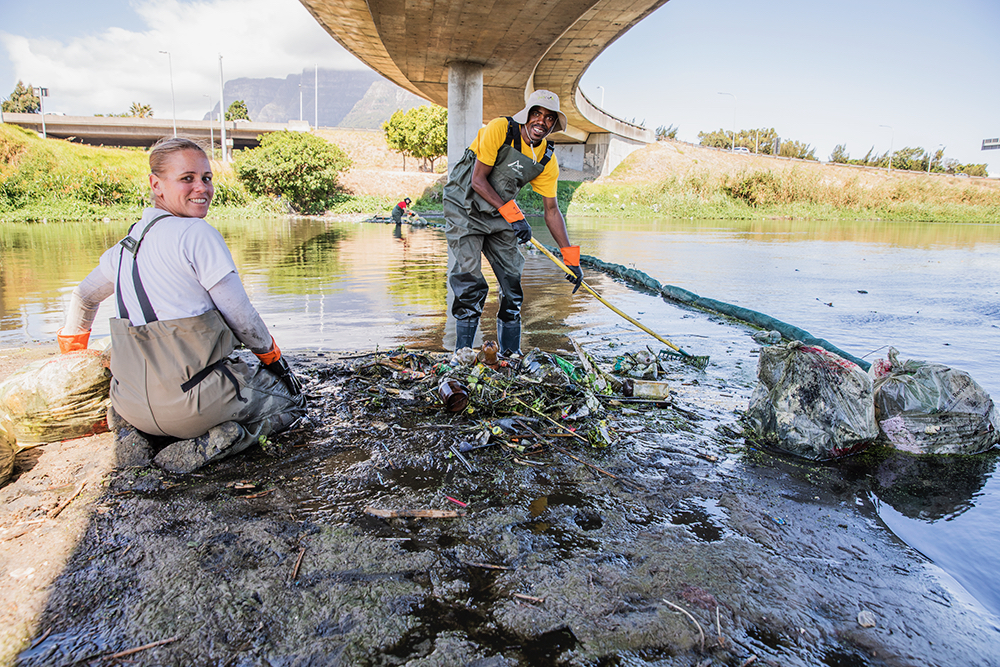
river pollution cleanup
Conclusion: Small Observations, Big Outcomes
What began with a child's curiosity became an ambitious, technically grounded and community-centered restoration initiative. The lesson is as practical as it is inspirational: careful observation, thoughtful design, and deliberate funding can convert a problem buried in lawns and drainfields into measurable recovery in a river. The $15 million figure is substantial, but so are the avoided costs — ecological loss, diminished recreation, and public-health risk — that would accrue if the status quo persisted.
- Community observation matters: Citizen science and youth engagement can catalyze large infrastructure responses.
- Targeted upgrades work: Advanced septic systems and clustered treatment can sharply reduce nutrient and pathogen loads.
- Design for maintenance: Long-term success depends on funding and enforcing operation and maintenance.
- Policy adjustments can help scale: Redirecting funding and easing permitting for decentralized systems multiplies impact.
A Final Thought
This project reframes how we think about environmental responsibility. It suggests that stewardship does not always require grand centralized projects; sometimes it begins with a child asking why the water looks sick. That question — pursued with evidence, empathy and a pragmatic plan — can change a watershed and, more importantly, the way a community sees itself and its future.